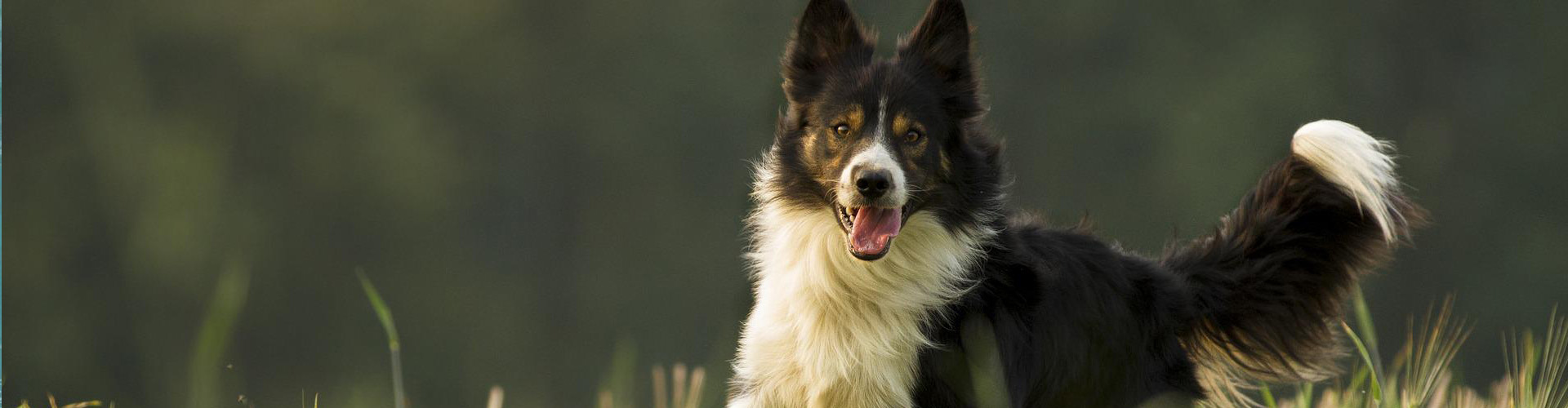





Human beings love dogs and also love to create art from this group of magical creatures from outer space. Today, I will take you into a gallery occupied by Wang Xingren in New York to review the paw prints left by dogs in the art history.
Pamela Dennis Hall, Breezy and Rupert, 2010. Courtesy of William Secord Gallery
How did Wang Xingren rush into art with wagging his tail and shouting? William Secord may be a person who knows this story better. He once served as the first curator of the dog Museum in New York. In 1990, he founded the only Gallery focusing on dog art in the United States, collecting oil paintings from the 19th century to the present.
The famous decorative stairs in the home of Brooke Astor, a socialite in New York
Sikod believes that dog portraits can be divided into two main categories: purebred dog portraits depict dogs with standard shapes indoors, while portraits of dogs in motion focus on dog performance rather than appearance. Early depictions and sculptures of dogs in art history appeared in caves and tombs in the bronze age. In ancient Greece and Rome, in addition to hunting scenes, dogs began to be regarded as symbols of loyalty. In Homer's epic Odyssey, when the disguised Odyssey returned to his hometown after ten years of wandering, his dog Argos recognized his long-awaited owner first.
Jan van Eyck - the Arnolfini marriage, 1434
In the Victorian era, Britain became an empire that never set the sun through overseas trade and colonization. More and more people are living in cities. They miss the countryside and can get comfort from their favorite pet dog when they return home. Britain and the United States established thr Kennel Club in 1873 and 1884 respectively, and introduced various standards for raising dogs, making dog portraits more popular among the middle class.
British School, Maltese on a Table. Courtesy of William Secord Gallery
Queen Victoria of England kept about 75 dogs in Windsor Castle. The Royal painter Edwin Landseer carefully recorded these dogs' lives in the royal family in oil paintings.
Sir Edwin Landseer - Queen Victoria, Prince Albert and Victoria, Princess Royal, 1840-43, The Royal Collection
Dogs also symbolize status. Only the noble class can afford hounds, so the hounds in the oil painting also show off the expensive lifestyle of the nobility.
With the continuous evolution of dog breeds and the continuous development of the relationship between dogs and people, domesticated dogs have become people's partners and professional models in art works.
Edwin Megargee, Bess and Her Puppies. Courtesy of William Secord Gallery.
Although dealing with works of art that are all Wang Xingren, sikod does not collect many such works of art. He confessed, "I can't afford them.". But over the past 25 years, he has also gradually acquired some, such as the portrait of sikot's late pet dog: a short maned dog named rocky, painted by contemporary artist Christine Merrill.
Christine Merrill, Rocky, 2008. Courtesy of William Secord Gallery
Dogs were once tools for hunting and agriculture, and later became close members of the human family. We have transformed the genes of dogs step by step, making them more "cute" and more suitable for living with people. At the same time, they have also changed us. Although most of us can't afford to buy antique oil paintings, we can also take pictures of our dog, cherish that good friend who is waiting for you at home after work and looking at you with cute eyes.